Study · Salto, Uruguay · 31°23′S 57°58′W
Study in Salto. The city is the campus.
Ninety programmes, eleven institutions and a city of 125,000 people on the Uruguay River. Everything public and private, with enrolment dates and scholarships, on one page. Teaching is in Spanish; this edition explains it in English.
public private field of study · tap a node to filter
- 90programmes listed
- 11institutions
- 2nduniversity city in Uruguay
- $0tuition at public institutions
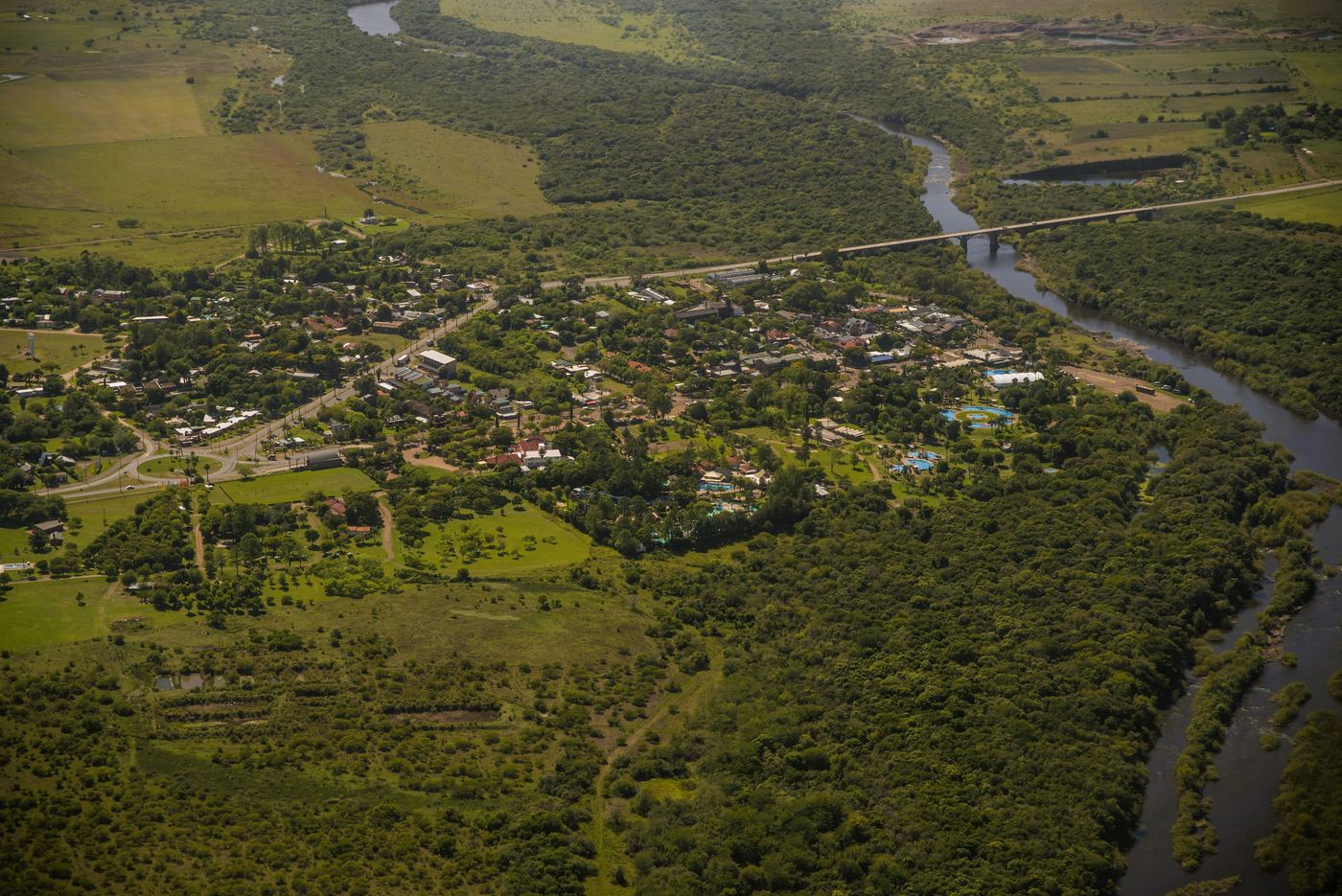
The city and the region are the campus.
- 125,000inhabitants: Uruguay's second city, on a cycling scale
- 500 kmfrom Montevideo, with full degrees that once meant moving away
- 15 minto Concordia, Argentina, across the Salto Grande dam
- CenurLitoral Norte, Udelar's northern campus: main site, with Medicine, Law, Agronomy, Veterinary Science and Nursing



01 · Directory · 90 programmes · 11 institutions
Everything you can study in Salto
Filter by level, field, institution or mode of study. Programme names are the official Spanish titles, with an English gloss underneath; each one links to the official page where the curriculum, requirements and dates are confirmed.
No programme matches these filters.
Try removing one, or search for another word.
02 · Institutions
Who teaches in Salto
Addresses, contact details and the kind of training each institution offers. UTEC, the public technological university, does not yet have a campus in the city; talks with the Intendencia are under way.
03 · Enrolment calendar · Nov–Feb
When to enrol
The academic year starts in March and almost all enrolment takes place between December and February. Exact dates change every year: check with each institution from November onwards.
Indicative dates for the 2026 cycle · always confirm with each institution
04 · Scholarships, housing and meals
Support that makes studying possible
Salto takes in students from across the north of the country. These are the public and private schemes that help make studying affordable.
05 · Why Salto
A university city on a human scale
With around 125,000 inhabitants, Salto is Uruguay's second city and the main university hub outside Montevideo. It is home to the main site of Udelar's Centro Universitario Regional Litoral Norte, where full degrees such as Medicine, Law, Agronomy, Veterinary Science and Nursing can be completed 500 kilometres from the capital.
Add to that public teacher training at the IFD and the CeRP del Litoral, UTU's technology hub focused on tourism and technology, the Universidad Católica's regional campus and a network of technical and language institutes. It is a city on a human scale: everything is within cycling distance and the cost of living is noticeably lower than in Montevideo.
- 01Free public education. Udelar, UTU and teacher training charge no tuition or fees; only the private and language institutes are fee-paying.
- 02Border and binational life. Concordia, in Argentina, is fifteen minutes away across the Salto Grande dam; the Polo Binacional Educativo adds academic opportunities on both sides of the river.
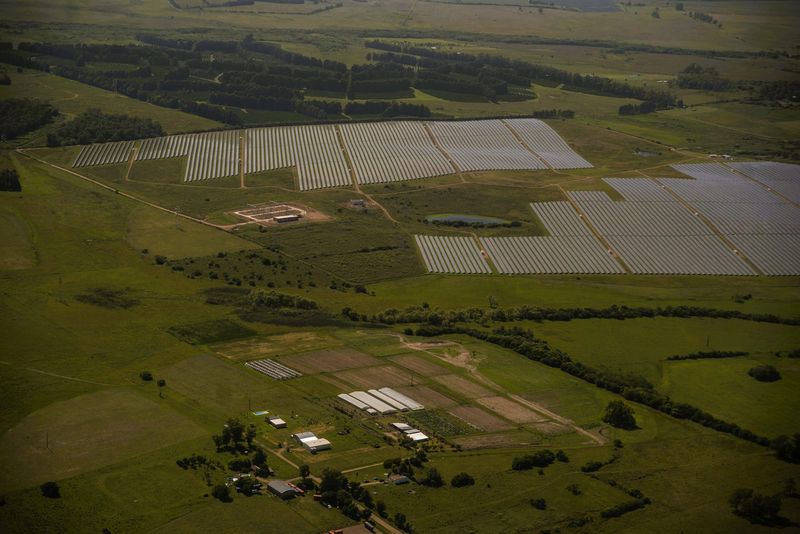
- 03Agriculture, water and energy. Agronomy, Veterinary Science, Water Resources and the agricultural technical degrees have their natural home here: citrus, horticulture, livestock and the dam.
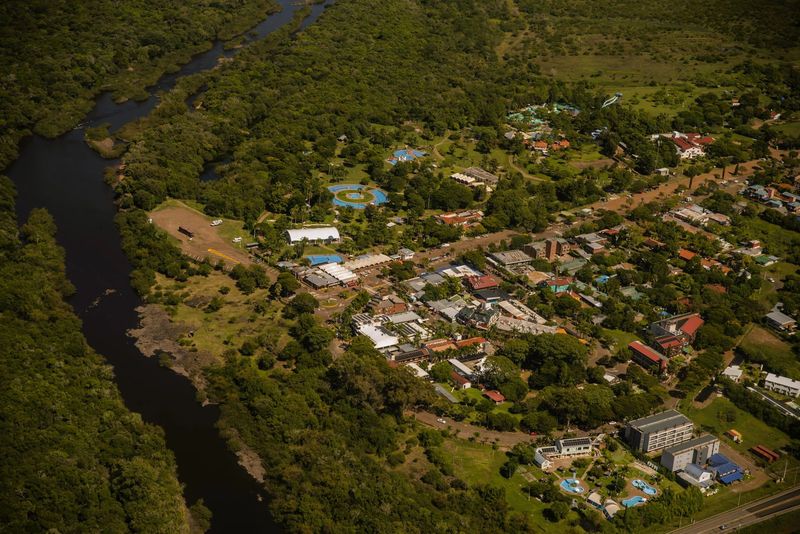
- 04The hot springs as a classroom. The tourism programmes at Udelar, UTU's IAE and CTC are taught in the country's most visited hot springs destination.

Missing a programme, or spotted something out of date?
Help us make this the most complete listing of what Salto offers in education.
This directory is compiled from each institution's official pages and the local press. If you teach, study or work at one of these institutions and see something to correct or add, write to us.
Last reviewed: September 2026. Programmes marked to confirm appear in secondary sources and are still awaiting direct verification with the institution. This page is independent and does not belong to any of the institutions listed: dates, curricula and places are always confirmed at the official source.